Baroxon® | Leading Boom Barrier Manufacturer

Integrating ALPR with Parking Barrier Gates
Release time:
2026-10-28
An ALPR camera can open a barrier without a driver presenting a card, but only when the camera, the software and the controller are designed as one system. This article covers the integration decisions that determine whether recognition is reliable.
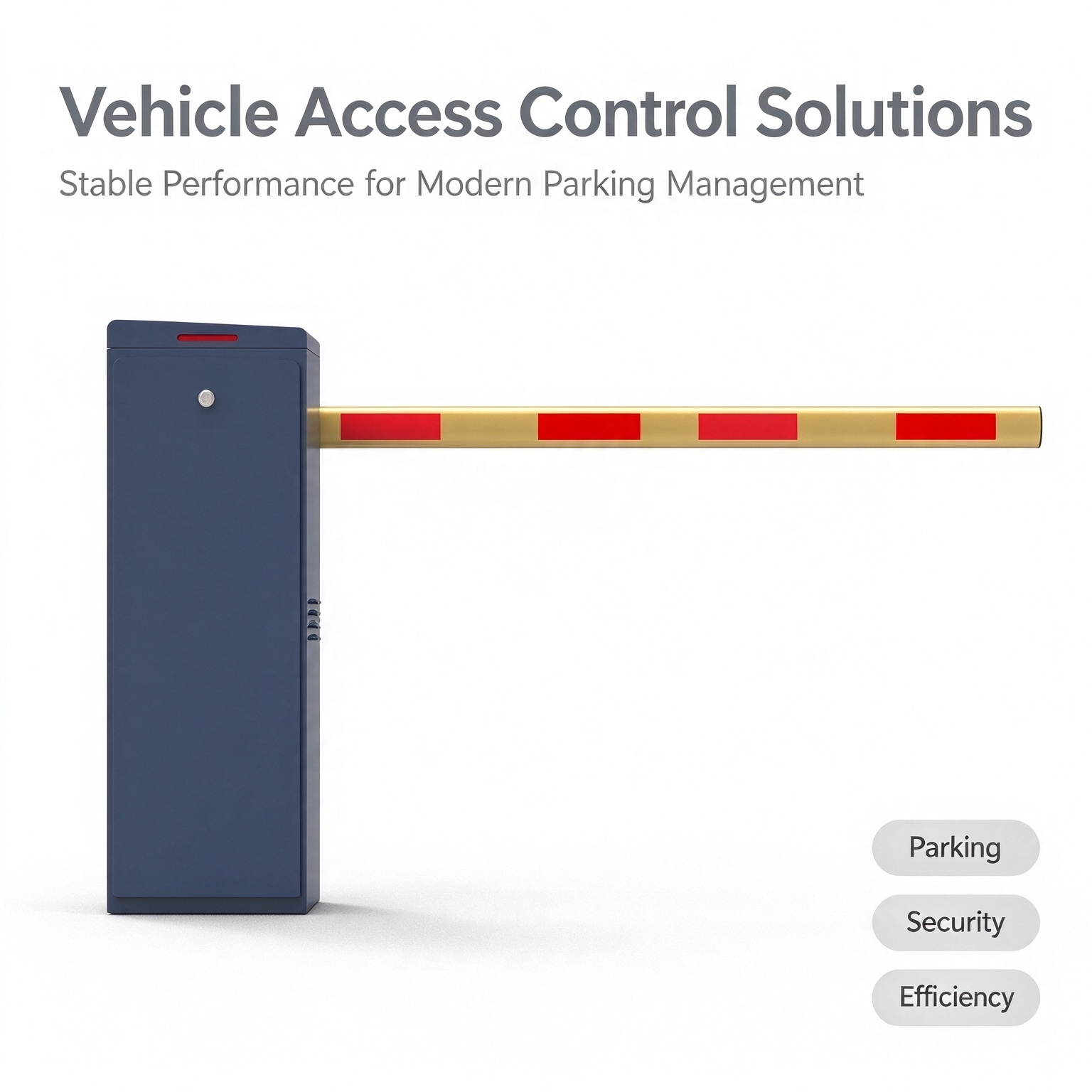
1. What is an ALPR parking barrier system?
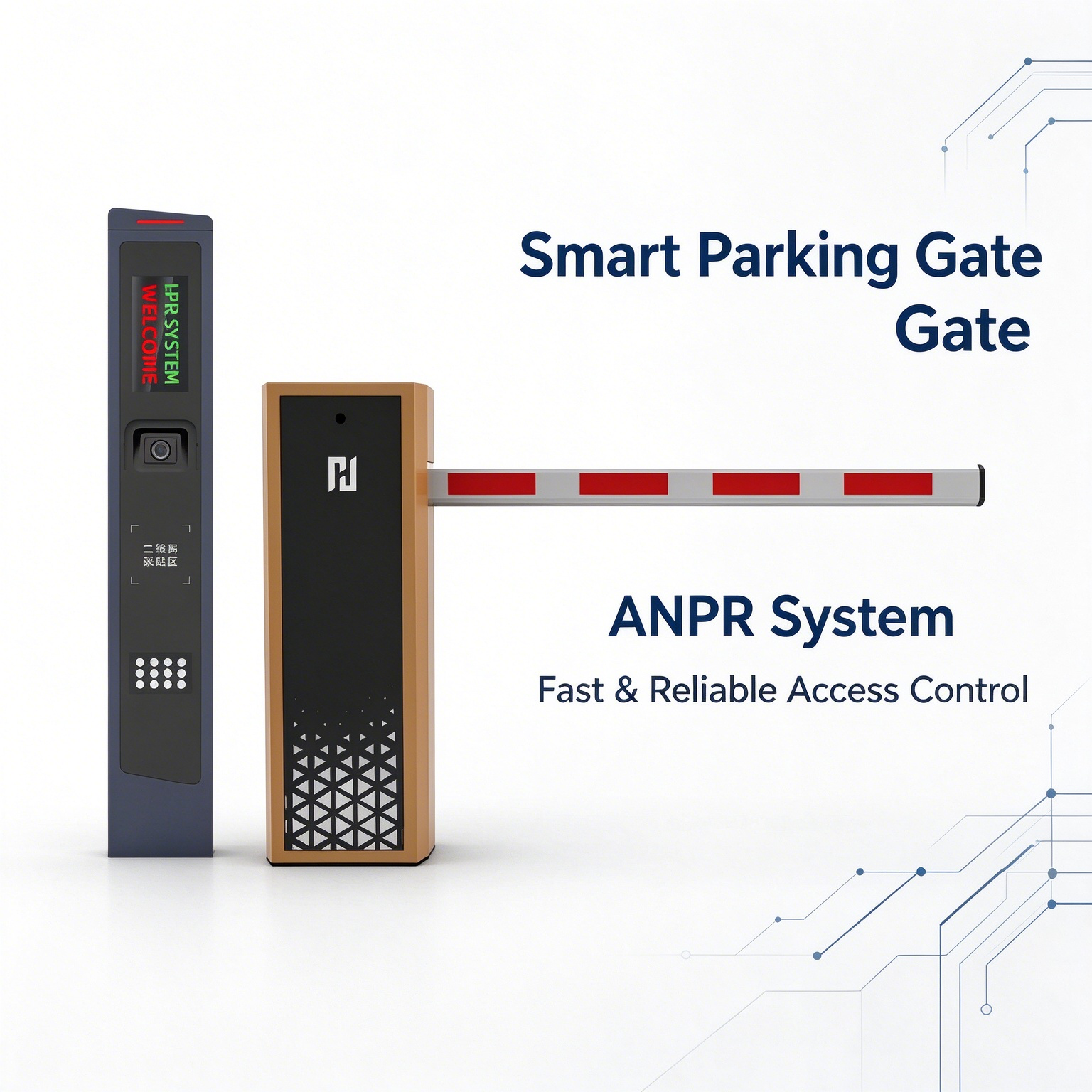
ALPR stands for automatic licence plate recognition. It is also commonly called ANPR (automatic number plate recognition) or LPR (licence plate recognition). A camera captures a vehicle's number plate, recognition software converts the image into plate text, and the parking or access-control platform compares that result with its rules. If the plate is authorised and the lane is safe to release, the system sends an opening command to the barrier controller.
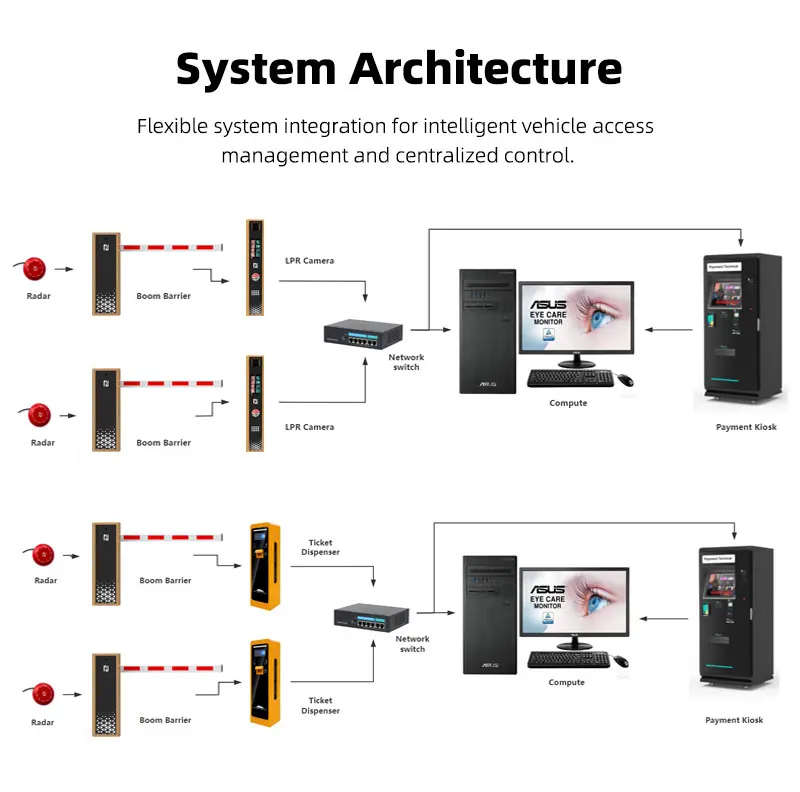
The barrier is the physical access-control device; the ALPR camera is the vehicle-identification device; and the software is the decision-making layer. These components should be designed as one system, rather than purchased as separate products with no confirmed interface or operating sequence.
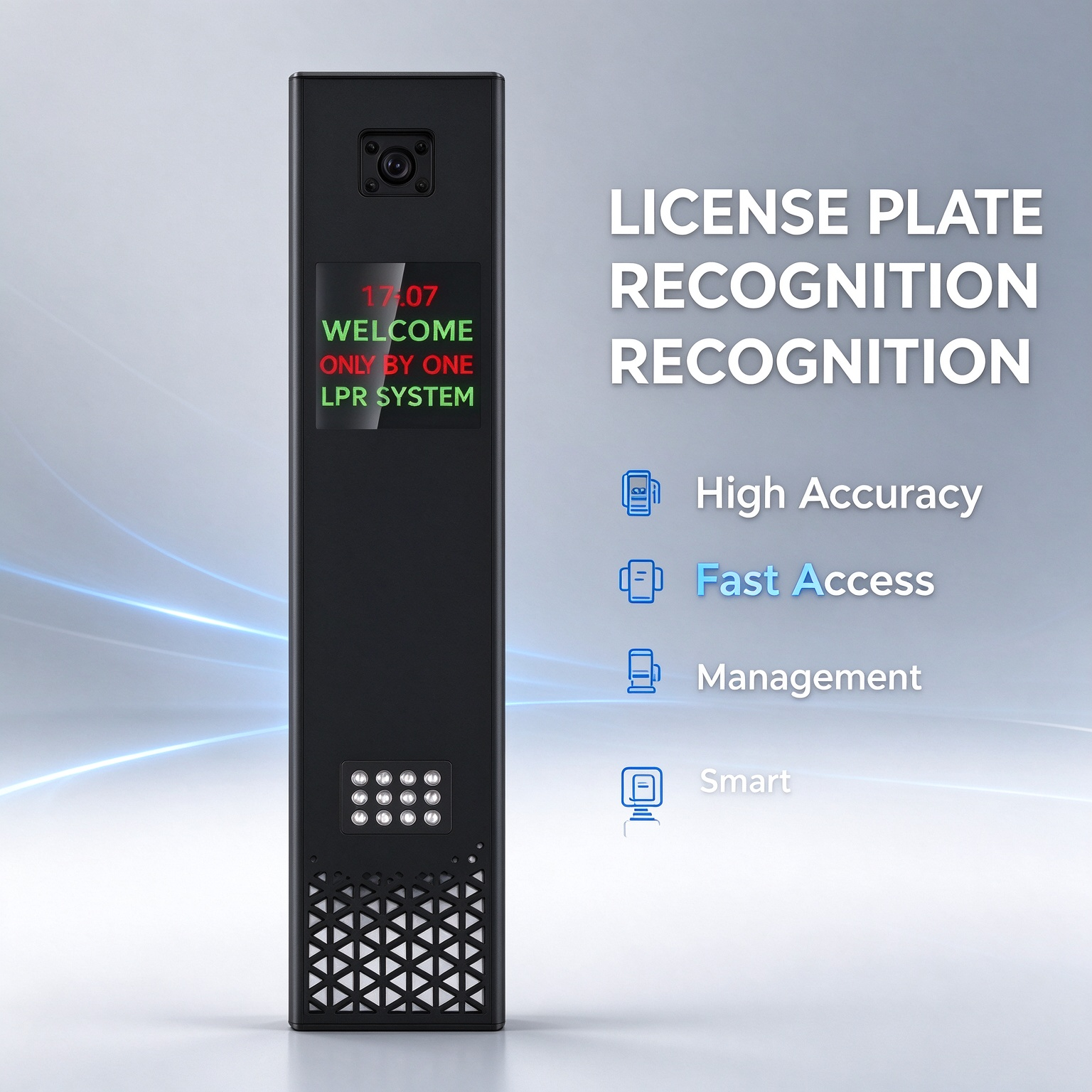
2. How the integrated system works
A typical vehicle entry sequence follows these steps: (1) a vehicle approaches the controlled lane; (2) a loop detector, radar or other approved vehicle sensor detects its presence; (3) the camera captures the plate; (4) the recognition engine returns the plate text and a confidence result; (5) the access platform checks the authorised list, time schedule, visitor status or parking/payment rules; (6) the platform sends a valid release signal to the barrier controller; (7) safety sensors confirm the vehicle's position while the arm opens and closes; and (8) the platform records the event for audit and reporting.
The exact sequence varies by controller, software and sensor configuration. During design, agree on which device owns each decision, how duplicate reads are handled, what happens when the network is unavailable and how staff can release a vehicle safely when automatic recognition fails.
3. Confirm the site requirements before selecting equipment
Start with a lane survey. Record lane width, approach angle, available camera mounting positions, lighting at day and night, vehicle speed, queue length, expected peak-hour traffic and whether the lane is shared by cars, SUVs, delivery vans or heavy vehicles. Also identify nearby pedestrian routes, emergency access, drainage, power supply and network availability.
Saudi sites may experience intense sunlight, heat, dust and glare, depending on the location and season. Specify the camera, housing, barrier cabinet and other outdoor components for the actual site conditions. Do not assume that every product variant has the same operating-temperature range or ingress-protection rating; request the exact model datasheet and installation limits.
4. Choose a compatible ALPR camera and barrier gate
Select a camera that can capture the plate clearly at the actual stopping or detection point. Verify the supported plate formats required by the project, including the relevant Saudi plate types, and test recognition with the real mix of vehicles, plate conditions and lighting. Confirm the camera's trigger method, image output, recognition interface, access-control protocol and whether the system can return a confidence score or a review image.
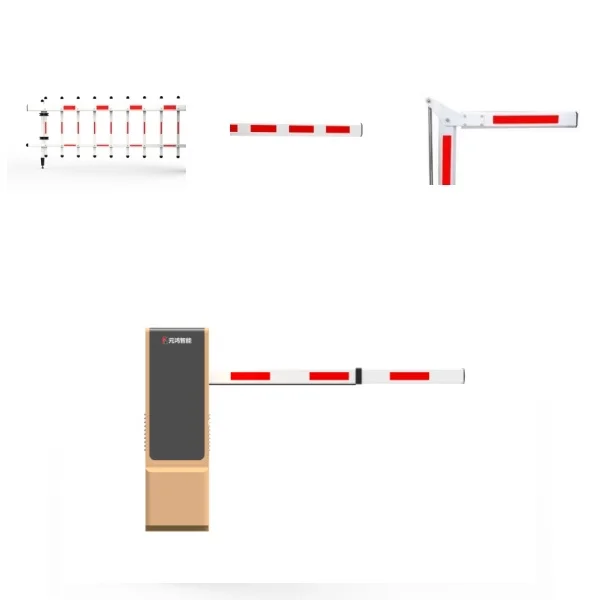
Match the barrier to lane width, traffic volume, required opening speed, arm type, duty cycle and maintenance access. BAROXON's Saudi-facing product catalogue includes automatic boom barriers, ALPR/LPR systems, RFID barrier options and parking-management solutions. The exact barrier model, arm length, drive type, safety inputs and interface options must be confirmed against the selected product's current specification.
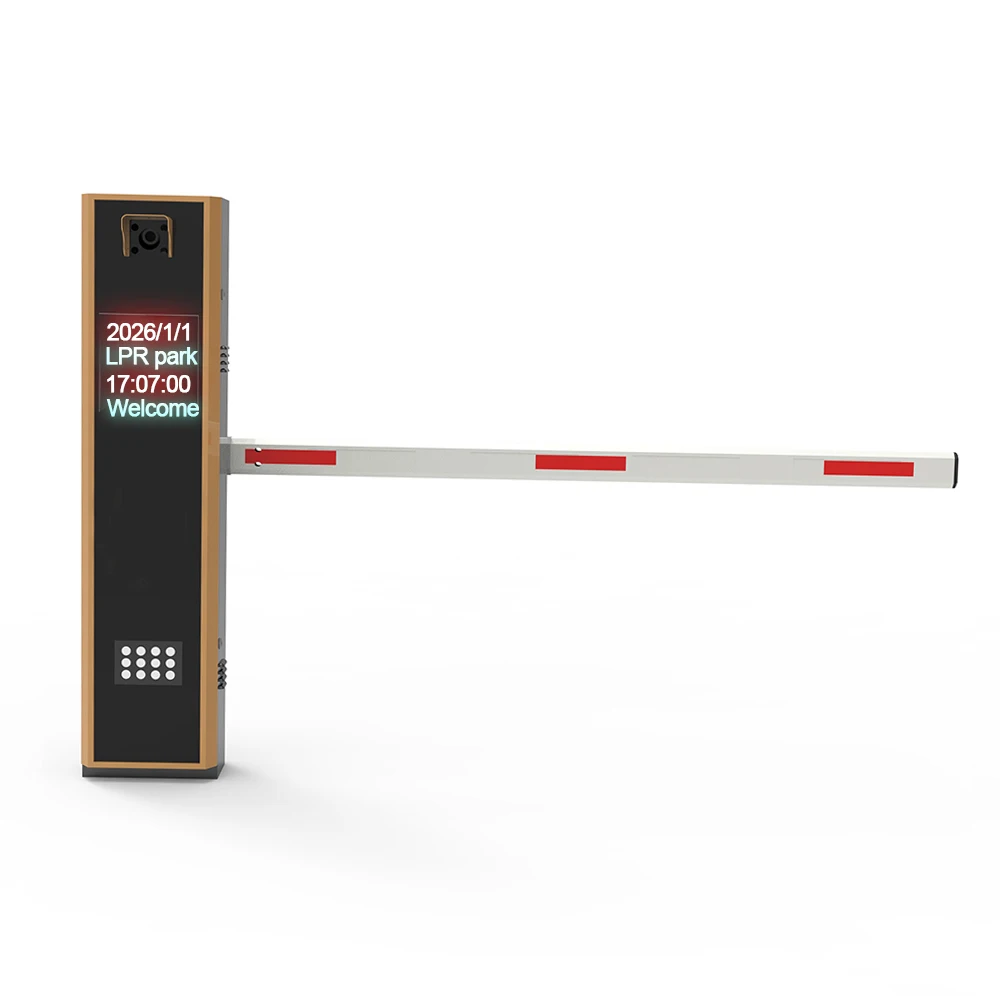
5. Design the camera position and lane layout
Camera geometry has a direct effect on recognition quality. Follow the camera manufacturer's limits for horizontal angle, vertical angle, distance, mounting height and field of view. Avoid positioning the camera where the plate is likely to be hidden by another vehicle, a boom arm, signage or strong reflections. Use a controlled stopping point or a suitable vehicle trigger so the image is captured consistently.
Test more than one vehicle position before drilling permanent mounting holes. Include low and high vehicles, motorcycles if permitted, reflective or damaged plates, and vehicles arriving close together. If one camera cannot reliably cover both entry and exit directions, consider separate cameras or a lane-specific layout rather than relying on a compromise angle.
6. Connect the camera, access software and barrier controller
Before installation, obtain the interface documentation for every component. Depending on the selected equipment, integration may use a relay or dry-contact output, an IP/network API, a supported serial interface, Wiegand or another documented protocol. Do not assume that a connector's physical shape guarantees compatibility; confirm signal type, voltage, pulse duration, input behaviour and any required licensing or software modules.
Document the complete signal path: camera recognition event, access-rule decision, valid release output, barrier controller input, arm movement, vehicle-clear confirmation and event log. Agree on which device controls the barrier's safety inputs. The ALPR software should request access, but it should not bypass the barrier controller's safety logic.
7. Configure access rules and exception handling
Build clear rules for residents, employees, tenants, visitors, contractors, delivery vehicles and temporary passes. Rules may include permitted time windows, entry/exit direction, anti-passback logic, visitor approval, payment status and maximum stay. Keep the rules understandable for operators and make changes traceable.
Define what happens when the plate is unreadable, the recognition confidence is low, the vehicle is not on the authorised list, the same plate appears twice, a visitor's approval has expired or the network connection fails. A safe fallback may involve an intercom, guard verification, QR credential or controlled manual release. Avoid designing the lane to open automatically whenever the system encounters an error.
8. Add vehicle detection and safety protection
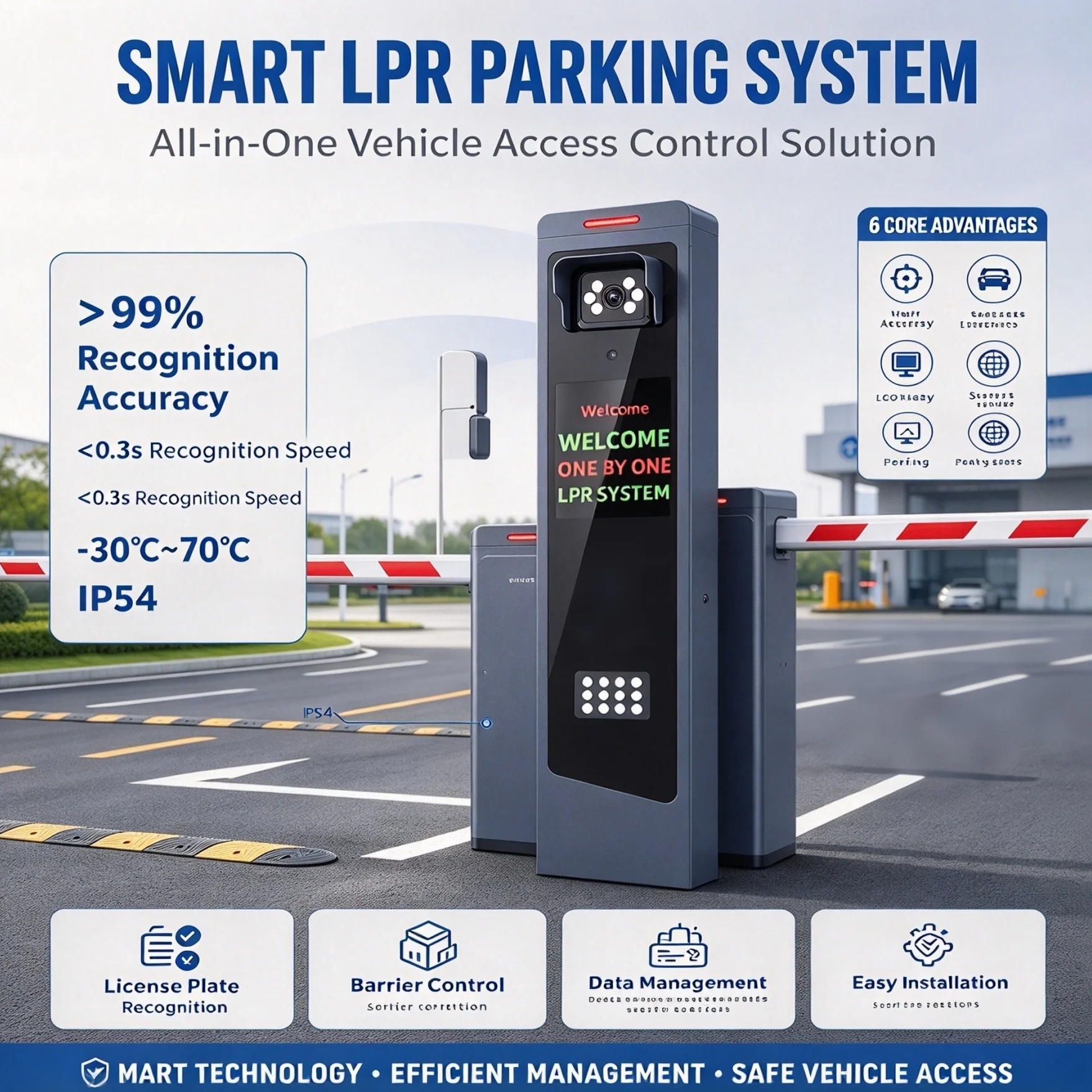
ALPR identifies a vehicle; it does not replace safety devices. Select and configure appropriate vehicle-presence and obstruction-protection equipment, such as a loop detector, photoelectric sensor, radar or other devices approved for the chosen barrier. The final design must prevent the arm from closing onto a vehicle and must account for motorcycles, tailgating, pedestrians and unusual vehicle positions.
Confirm emergency release, manual operation, power-loss behaviour and fire or emergency access requirements with the project's responsible professionals. Test safety devices in the installed configuration - not only on a bench - and record the results before the lane is put into service.
9. Plan for Saudi operating conditions
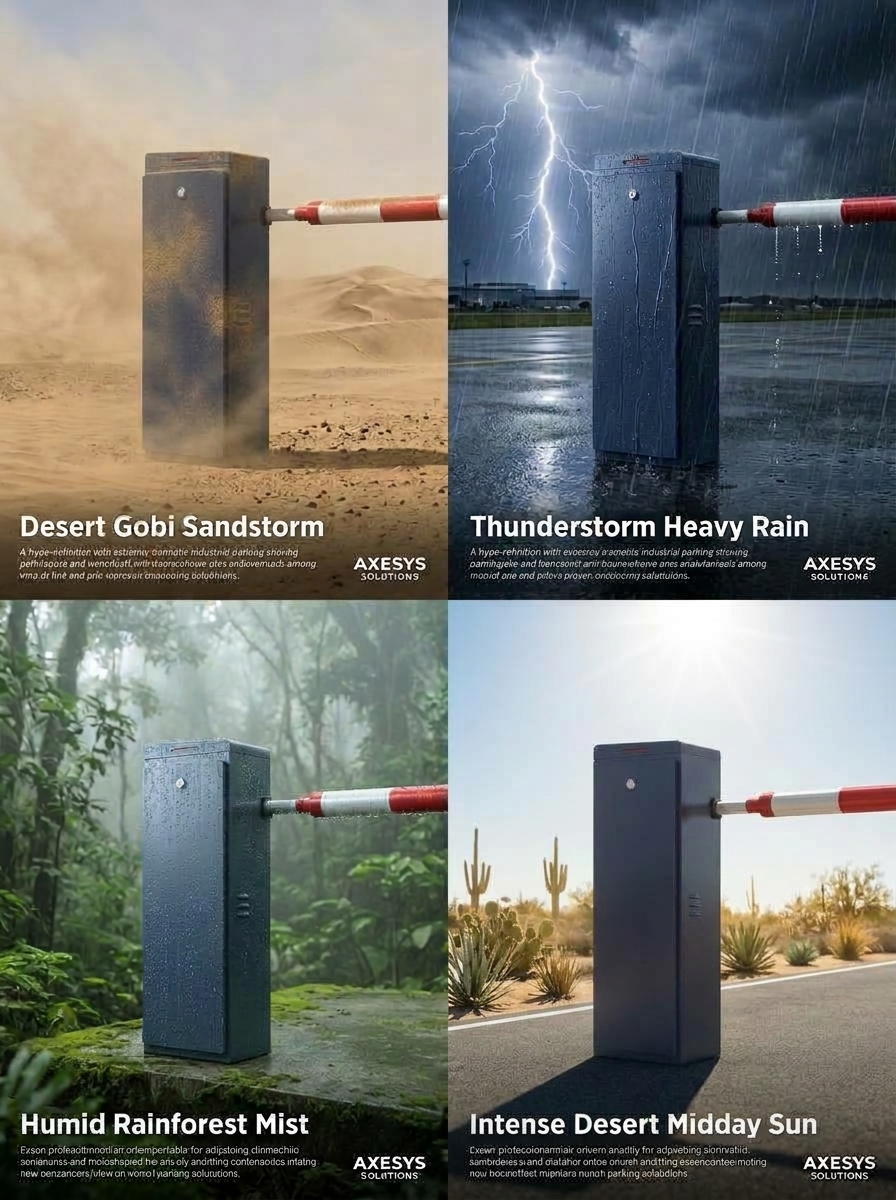
Outdoor systems in Saudi Arabia should be specified for the site's real heat, dust, sunlight and any coastal exposure. Confirm the permitted ambient temperature, cabinet protection rating, cable-entry sealing, ventilation or thermal-management requirements, and the maintenance interval for filters and moving parts where applicable. Shade, glare control and stable camera exposure can be as important as the camera's headline resolution.
Use suitable outdoor-rated power and network components, protect cables from mechanical damage, label both ends and provide service access without obstructing traffic. Where the site has unstable connectivity, agree whether access decisions are made locally, centrally or through a hybrid design, and document the expected behaviour during an outage.
10. Protect plate data and system access
Vehicle plates and linked entry records can be sensitive operational data. Limit access to authorised staff, use role-based permissions, secure remote access, maintain system updates and define how long plate images and event logs are retained. Confirm the applicable Saudi privacy, cybersecurity and organisational requirements with the customer's legal or compliance team before commissioning.
Change default passwords, separate operator and administrator accounts, record configuration changes and ensure that only approved systems can issue a barrier-release command. If the integration uses cloud services or third-party software, document data flows, account ownership, support access and the procedure for disabling access when a contract ends.
11. Test the complete system before handover
Commissioning should cover the whole lane, not just whether the camera recognises a plate or the barrier arm moves. Test authorised and unauthorised plates, day and night conditions, glare, dirty or obscured plates, motorcycles and different vehicle heights where relevant, tailgating, duplicate reads, expired visitor credentials, network interruption, power recovery, manual release and every safety input.
Agree on measurable acceptance criteria before testing. These may include recognition performance under defined site conditions, successful access-rule enforcement, response time, event-log completeness, safe arm operation, recovery after faults and operator training completion. Record the test date, software versions, settings, observed failures, corrective actions and customer sign-off.
12. Common integration mistakes to avoid
Frequent problems include mounting the camera at an unsuitable angle, selecting a barrier without enough duty capacity, assuming incompatible interfaces will work together, allowing recognition software to bypass safety inputs, failing to define a manual fallback, ignoring harsh outdoor conditions, and testing only a small number of clean plates. Another common mistake is to leave data retention, administrator ownership and post-handover support undefined.
Prevent these issues with a written interface matrix, a lane layout drawing, an input/output schedule, a safety test plan, a data-handling policy and a signed commissioning checklist. Involve the barrier supplier, ALPR provider, parking-software integrator, electrical contractor and site operator before finalising the design.
13. Example applications in Saudi Arabia
For a residential compound, the system can recognise registered resident vehicles and route visitors through an approval or intercom process. For an office tower or commercial centre, it can apply tenant permissions and time schedules. At a logistics or industrial site, ALPR can support vehicle logging while RFID may be preferable for registered fleet vehicles that need consistent identification at a suitable reading point. At a paid car park, plate recognition can be connected to parking sessions and payment rules, provided the selected software supports that workflow.
The best configuration is determined by the operating process, not by the camera alone. Compare ALPR with RFID, QR credentials, cards or intercom release according to traffic patterns, vehicle registration quality, visitor handling, payment needs and the consequences of a missed or incorrect read.
Frequently asked questions
Can an ALPR camera open a parking barrier automatically?
Yes, when the camera or its software is integrated with an access-control platform and a compatible barrier controller. The system should release the barrier only after the access rules are satisfied and the safety logic permits movement.
What is the difference between ALPR, ANPR and LPR?
These terms generally describe automatic vehicle number-plate recognition. Terminology varies by market and supplier, so confirm the capabilities and interfaces rather than relying on the label alone.
Does ALPR replace loop detectors or safety sensors?
No. ALPR identifies a plate, while vehicle detectors and safety devices help determine presence, position and safe barrier movement. Use the safety devices required by the selected barrier and the project risk assessment.
Can ALPR integrate with an existing parking management system?
Often, but compatibility must be confirmed. Check the software API or supported protocols, licence requirements, event fields, access permissions, network architecture and responsibility for troubleshooting before procurement.
What should be checked for a Saudi outdoor installation?
Confirm the exact equipment's operating-temperature limits, weather and dust protection, camera exposure and glare performance, cable protection, power stability, maintenance access and local project requirements. Do not infer a specific rating without the datasheet for the selected model.
How can failed recognition be handled without creating a security gap?
Define a controlled exception process, such as operator review, intercom verification, visitor QR approval or another authorised credential. Log the reason for release and avoid unrestricted automatic opening when recognition or communications fail.
Conclusion
A reliable ALPR parking barrier installation combines accurate plate capture, a compatible barrier controller, clearly defined access rules, independent safety protection, secure data handling and end-to-end commissioning. For Saudi projects, validate the selected equipment against the actual heat, dust, lighting, traffic and connectivity conditions of the site. Confirm every model-specific specification and interface with the supplier before ordering, and document the acceptance tests before the system enters service.
BAROXON provides automatic boom barrier gates, ALPR/LPR camera systems and parking access-control solutions. Review the relevant product information and share your lane layout, traffic volume, preferred access method and site conditions when requesting a project configuration.
Latest News
Straight vs Folding Boom Barrier Arms
Straight arm or folding arm boom barrier? How overhead clearance, lane width, traffic and maintenance decide which arm configuration suits a site.
2026-10-28
Parking Barriers for Underground Car Parks
How to choose a barrier for an underground car park: headroom, folding-arm geometry, traffic duty, safety sensors and access-control options.
2026-10-28
RFID vs ANPR: Choosing a Parking System
RFID or ANPR for vehicle access? How each identifies a vehicle, where each fits, what to compare on cost, and when to combine both methods.
2026-10-28
Questions to Ask a Barrier Supplier
The questions to ask a barrier supplier before buying: exact model, lane suitability, safety devices, integration, warranty and the total quoted price.
2026-10-28
Comparing Parking Barrier Manufacturers
How to compare parking barrier manufacturers and suppliers: specifications, environmental suitability, integration, support and total cost of ownership.
2026-10-28
Parking Barrier Project Planning Checklist
A practical checklist for planning a parking barrier project: site survey, lane geometry, equipment selection, safety, interfaces and acceptance testing.
2026-10-28
Baroxon® | Leading Boom Barrier Manufacturer
Advanced Security Access Control and Intelligent Parking Solutions.
Company Strength
Adequate Inventory
Fast Shipping
Our Products
CONTACT US
Address: No. 2 Wanshou Road, International Innovation Industrial Park, Jinan, Shandong, China






© COPYRIGHT 2025 Baroxon® | Leading Boom Barrier Manufacturer

Contact Us
Our passion is to bring your ideas to life. Work with our design team to create a one-of-a-kind custom finish or cladding system to create a truly unique space. Together we can make your story stand out. If you need something to request a sample, request pricing, or request a demo, please fill out the contact form below. Explain your request in as much detail as you can and a representative will contact you within 1 business day.