Baroxon® | Leading Boom Barrier Manufacturer

Comparing Parking Barrier Manufacturers
Release time:
2026-10-28
Two quotations for the same lane can describe very different systems. This guide explains how to compare barrier manufacturers on specifications, suitability, integration and support rather than on price alone.
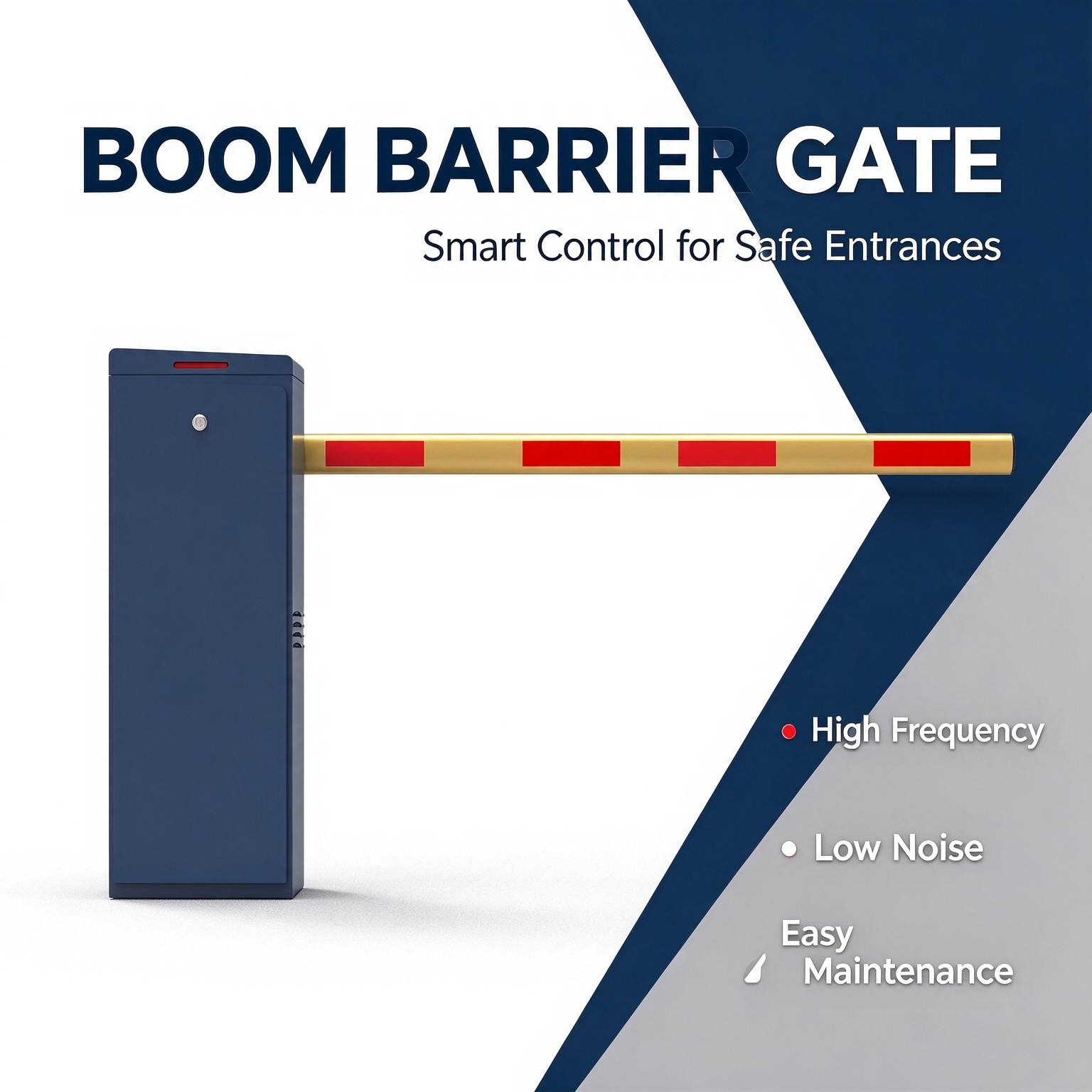
1. Confirm the Supplier's Product Range
Start by checking whether the manufacturer offers the barrier type your project actually needs. A supplier focused only on basic boom gates may not be able to deliver a complete access-control solution for a site that also needs plate recognition, RFID credentials, vehicle detection or pedestrian control.
For example, BAROXON's Saudi website lists boom barrier and boom gate products, high-speed barrier gates, ALPR/LPR car-plate systems, automatic RFID boom barriers, pedestrian access control, turnstiles, radar sensors, parking locks, automatic gate openers and barrier accessories. This range can be useful when comparing a single-product vendor with a supplier able to support a more integrated system.
2. Compare Technical Specifications, Not Just Product Names
Ask every supplier to quote against the same project specification. Compare boom-arm length and type, opening and closing time, motor technology, duty cycle, expected operating cycles, cabinet protection rating, control interfaces, emergency operation and available safety accessories. Do not assume that products with similar names have equivalent performance.
BAROXON's website describes model options that can include DC brushless, AC or servo drives, different arm configurations and lengths, adjustable operating speeds, and different enclosure protection levels. These details are model-dependent. Ask for the exact model datasheet and a written confirmation of the proposed configuration rather than relying on a category page or a generic brochure.
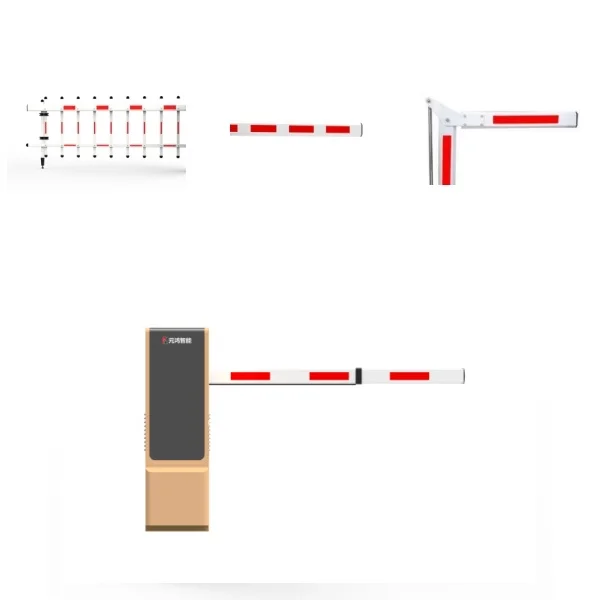
Specification comparison checklist
| Item | What to verify |
|---|---|
| Boom arm | Required clear lane width, straight/folding/fence type, wind exposure and support arrangements |
| Motor and drive | Drive type, opening/closing time, duty cycle and maintenance requirements |
| Traffic capacity | Expected peak-hour vehicle movements and realistic operating conditions |
| Enclosure | Stated IP rating and suitability for the actual installation environment |
| Interfaces | Dry contact, relay, Wiegand, RS-485, TCP/IP or other required interfaces, as applicable to the model |
| Safety | Vehicle detection, loop/radar integration, anti-smash or auto-reverse functions, and safe manual release |
| Power | Supply requirements, backup strategy and recovery after a power interruption |
| Documentation | Datasheet, wiring diagram, installation instructions, test records and parts list |
3. Evaluate Suitability for Saudi Arabia's Operating Environment
Saudi projects may face intense sunlight, high ambient temperatures, airborne dust and sand, and - at coastal locations - humid or saline air. The right specification depends on the actual site, not only the country. Ask the supplier how the enclosure, coating, motor, control electronics and installation method are suited to the location where the barrier will operate.
Request the stated operating-temperature range, enclosure protection rating, coating details and any relevant environmental test documentation. An IP rating addresses defined ingress protection conditions; it does not, by itself, prove resistance to every combination of heat, UV exposure, corrosion or sand. Confirm any special requirements for exposed sites in writing.
4. Check Safety Features and Installation Responsibility
A reliable supplier should explain how the barrier will detect vehicles, avoid closing onto a vehicle, manage pedestrians near the lane and respond to faults. Depending on the site, the design may need a loop detector, radar sensor, photoelectric device, warning lights, safety edge or other approved accessories. The final combination should be selected through a site-specific risk assessment.
Ask who is responsible for civil works, foundations, arm balancing, cable routing, loop installation, controller configuration, commissioning and operator training. A low equipment price can become expensive if installation scope is unclear or essential safety components are excluded from the quotation.
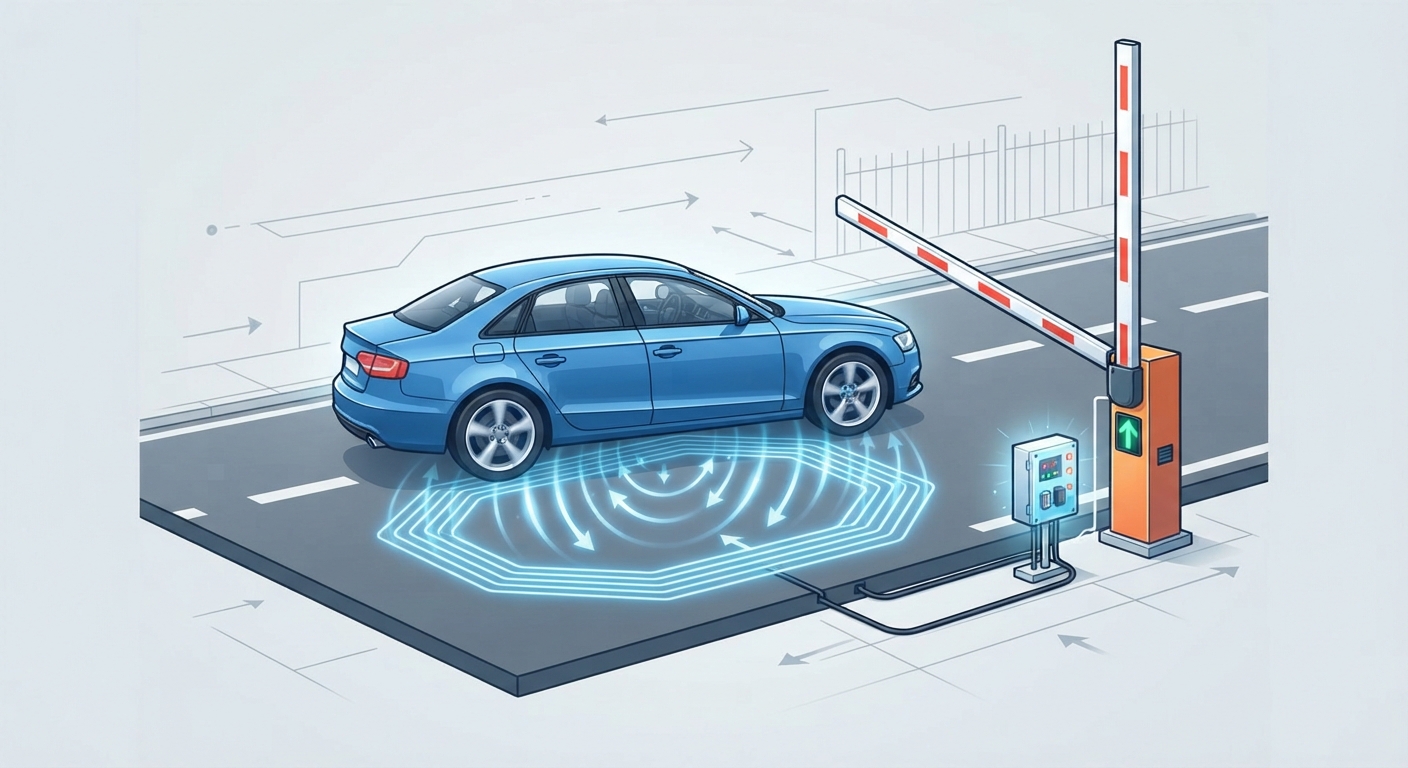
5. Compare ANPR/LPR, RFID and Parking-System Integration
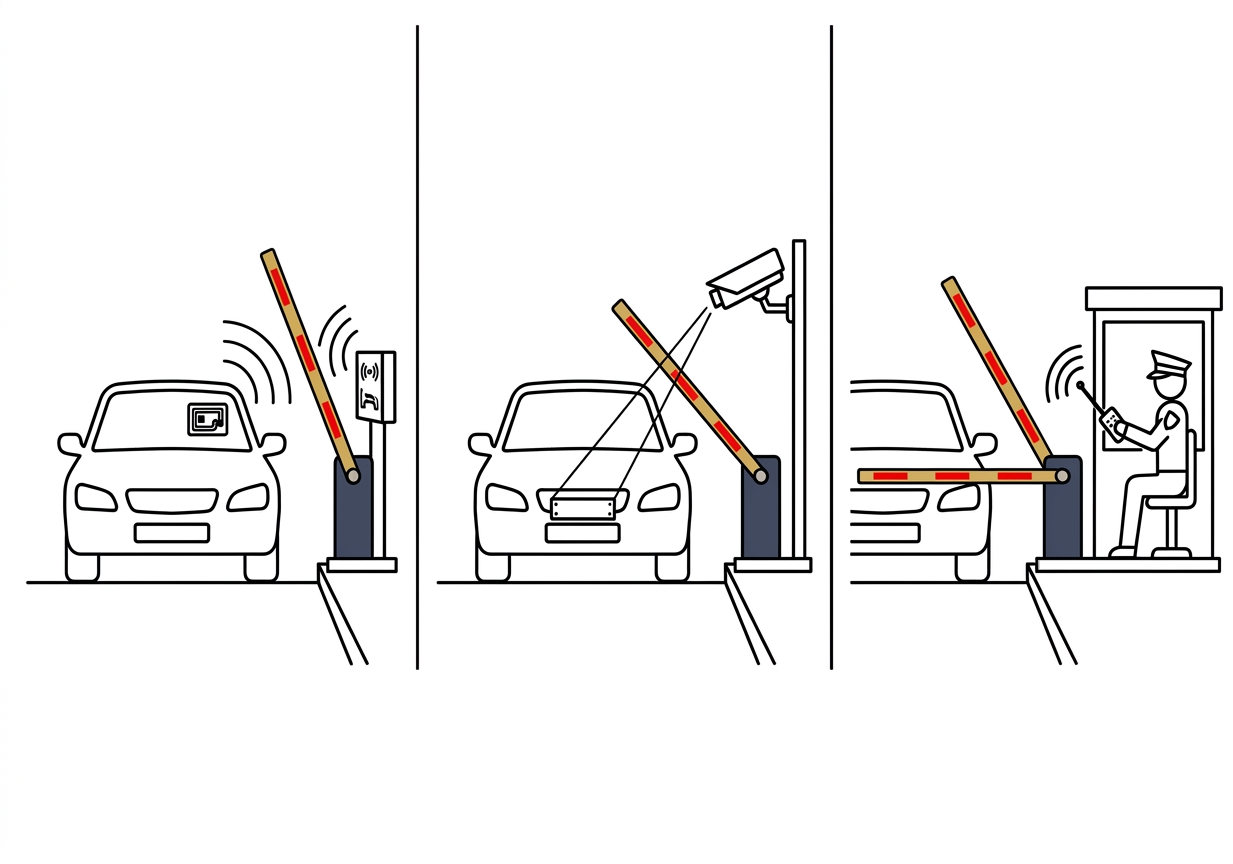
For sites that need automated entry, ask whether the supplier can provide or integrate automatic number plate recognition (ANPR/LPR), RFID cards or UHF tags, vehicle detectors, ticketless parking software, payment systems and centralised access management. Compatibility should be demonstrated, not assumed from a product title.
Ask for the system architecture, supported protocols, interface details, event-log capabilities, user-permission controls and a clear division of responsibility between the barrier manufacturer, software provider and local installer. If an existing parking-management platform is already in use, require a compatibility check before ordering.
6. Verify Manufacturing Capability and Quality Documentation
A supplier's claims should be supported by evidence. Ask for the legal company name, factory or production information, quality-control process, product test documentation, applicable certificates and traceability details. Check whether the documents refer to the exact product model and configuration being quoted.
BAROXON's Saudi website presents the company as a manufacturer and lists product categories for vehicle access and parking control. Treat website content as a starting point for evaluation, then request current documents relevant to your project, including the proposed model's datasheet, installation instructions, warranty terms and any certification required by the project owner or tender.
7. Assess After-Sales Support, Spare Parts and Warranty
For a busy car park or industrial entrance, downtime can disrupt vehicle flow and site operations. Ask who will provide technical support in Saudi Arabia, what remote troubleshooting is available, how spare parts are ordered, whether replacement components are model-specific, and what response times are contractually committed.
Compare warranty duration, covered components, exclusions, labour and travel charges, shipping responsibility, and the process for handling defects. Ask for a recommended preventive-maintenance schedule and a list of critical spare parts. Do not treat a verbal promise of "lifetime support" as a substitute for written service terms.
8. Compare the Total Cost of Ownership
The lowest quotation is not necessarily the most economical choice. Compare the complete delivered and installed solution, including the barrier, boom arm, safety devices, access-control equipment, software licences, cabling, foundations, commissioning, training, freight, customs-related charges where applicable, spare parts and routine maintenance.
Use the same assumptions for every quotation: the number of lanes, arm length, traffic volume, integration scope, warranty period, installation boundary and expected service life. Ask suppliers to separate equipment costs from optional accessories and service costs so that exclusions are visible.
9. Use a Weighted Supplier Evaluation Matrix
Before making a decision, score each supplier against the same criteria. The following example can be adapted to the risk level and procurement rules of your project.
| Evaluation criterion | Suggested weight |
|---|---|
| Technical fit and product range | 20% |
| Safety and reliability evidence | 15% |
| Saudi site/environment suitability | 15% |
| Integration and interface compatibility | 15% |
| Warranty, support and spare parts | 15% |
| Total cost of ownership | 10% |
| Documentation and project references | 10% |
| Total | 100% |
Score each criterion from 1 to 5, where 1 means insufficient evidence or poor fit and 5 means strong documented evidence and a close fit to the project. Multiply each score by its weight, then compare the weighted totals. Do not let a high score in price compensate for a failure in essential safety or technical requirements.
10. Questions to Ask Before Requesting a Final Quotation
- Which exact model and configuration are you proposing for each lane?
- What are the rated arm length, opening time, duty cycle and environmental limits?
- Which safety devices are included, and which are optional?
- Can the barrier integrate with our existing ANPR/LPR, RFID or parking-management system?
- Which communication interfaces and protocols are supported by the quoted model?
- What site preparation, cabling and installation work is excluded?
- What warranty applies, and which parts are considered consumables?
- What spare parts should be kept on site, and what is the expected supply lead time?
- What documents will be supplied for installation, commissioning and handover?
- Can you provide a written bill of materials, delivery schedule and support plan?
11. Red Flags When Comparing Parking Barrier Suppliers
Be cautious if a supplier refuses to identify the exact model, provides no usable datasheet, makes broad performance claims without test conditions, cannot explain safety integration, gives unclear warranty exclusions or avoids specifying what is included in the quotation. Unverified claims about local stock, local technicians or guaranteed delivery should also be confirmed in writing.
A professional supplier should be willing to discuss project constraints, identify assumptions, document deviations and recommend a configuration that matches the site rather than simply offering the fastest or cheapest unit.
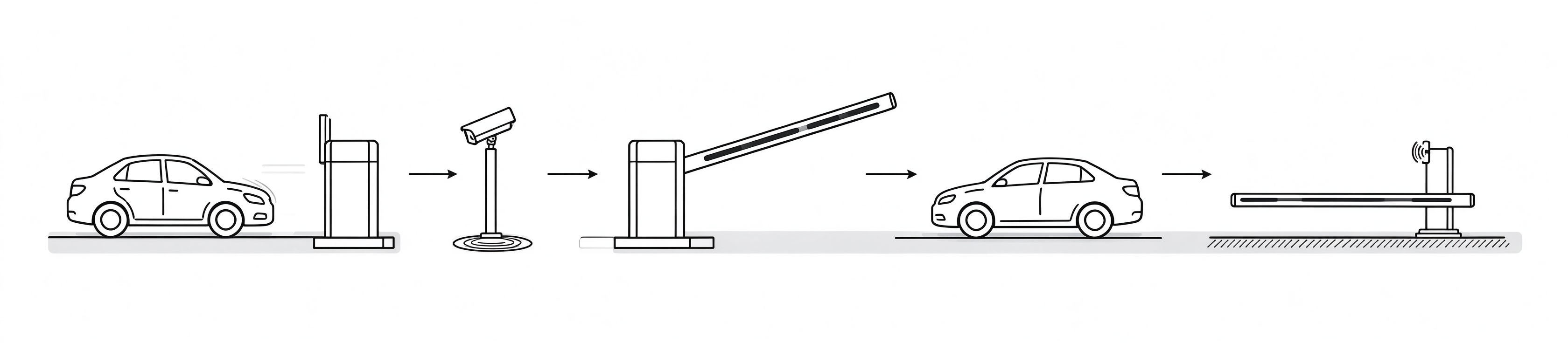
12. Which Type of Supplier Is Right for Your Project?
- Small private car park: Prioritise a straightforward barrier, appropriate safety devices, clear installation scope and accessible spare parts.
- Residential compound or gated community: Check resident/visitor workflows, ANPR or RFID options, audit logs and integration with the community's access policies.
- Shopping centre or commercial building: Assess peak-hour throughput, ticketless or paid-parking integration, queue management and service continuity.
- Warehouse or logistics facility: Prioritise high-cycle performance, vehicle-class requirements, long-range RFID where appropriate, safety controls and fault recovery.
- Industrial or high-security site: Require a documented risk assessment, suitable physical barrier configuration, controlled access logic, reliable event logs and a defined maintenance plan.
Frequently Asked Questions
What is the most important factor when comparing parking barrier manufacturers?
There is no single factor for every project. First confirm that the proposed model meets mandatory lane, traffic and safety requirements. Then compare environmental suitability, integration, support, documentation and total cost of ownership.
Should I choose a manufacturer or a local supplier in Saudi Arabia?
Compare the responsibilities each party will take on. A manufacturer may offer direct product knowledge and configuration support; a local supplier or integrator may provide site surveys, installation, commissioning and on-site response. For complex projects, ask who is contractually accountable for the complete working system.
Are faster boom barriers always better?
No. Opening speed must suit the lane layout, safety design, traffic pattern and access-control response time. A faster barrier is not automatically safer or more suitable. Select a speed based on the project requirements and the manufacturer's validated model data.
What documents should I request before placing an order?
At minimum, request the exact-model datasheet, configuration and bill of materials, wiring and installation instructions, safety-device list, warranty terms, delivery schedule, commissioning procedure and the relevant test or certification documents required by your project.
Can one supplier provide both the barrier and ANPR/RFID access control?
Some suppliers offer a broader product portfolio or integration support, but the scope varies. Confirm which hardware and software are supplied directly, which items come from third parties, and who is responsible for end-to-end testing and support.
Conclusion: Choose Evidence, Fit and Support - Not Price Alone
The best parking barrier manufacturer or supplier is the one that can demonstrate a suitable product configuration, documented safety and performance, compatibility with your access-control system, clear installation responsibilities, reliable after-sales arrangements and a transparent total cost. For projects in Saudi Arabia, confirm the actual site environment and obtain written model-specific details before approval.
Review BAROXON's Saudi boom barrier and boom gate products and request a project-specific quotation based on your lane dimensions, traffic volume, preferred access method and site conditions.
Latest News
Straight vs Folding Boom Barrier Arms
Straight arm or folding arm boom barrier? How overhead clearance, lane width, traffic and maintenance decide which arm configuration suits a site.
2026-10-28
Parking Barriers for Underground Car Parks
How to choose a barrier for an underground car park: headroom, folding-arm geometry, traffic duty, safety sensors and access-control options.
2026-10-28
RFID vs ANPR: Choosing a Parking System
RFID or ANPR for vehicle access? How each identifies a vehicle, where each fits, what to compare on cost, and when to combine both methods.
2026-10-28
Questions to Ask a Barrier Supplier
The questions to ask a barrier supplier before buying: exact model, lane suitability, safety devices, integration, warranty and the total quoted price.
2026-10-28
Comparing Parking Barrier Manufacturers
How to compare parking barrier manufacturers and suppliers: specifications, environmental suitability, integration, support and total cost of ownership.
2026-10-28
Parking Barrier Project Planning Checklist
A practical checklist for planning a parking barrier project: site survey, lane geometry, equipment selection, safety, interfaces and acceptance testing.
2026-10-28
Baroxon® | Leading Boom Barrier Manufacturer
Advanced Security Access Control and Intelligent Parking Solutions.
Company Strength
Adequate Inventory
Fast Shipping
Our Products
CONTACT US
Address: No. 2 Wanshou Road, International Innovation Industrial Park, Jinan, Shandong, China






© COPYRIGHT 2025 Baroxon® | Leading Boom Barrier Manufacturer

Contact Us
Our passion is to bring your ideas to life. Work with our design team to create a one-of-a-kind custom finish or cladding system to create a truly unique space. Together we can make your story stand out. If you need something to request a sample, request pricing, or request a demo, please fill out the contact form below. Explain your request in as much detail as you can and a representative will contact you within 1 business day.