
What Is a Parking Barrier? Types, Uses, and How It Works
Release time:
2026-10-28
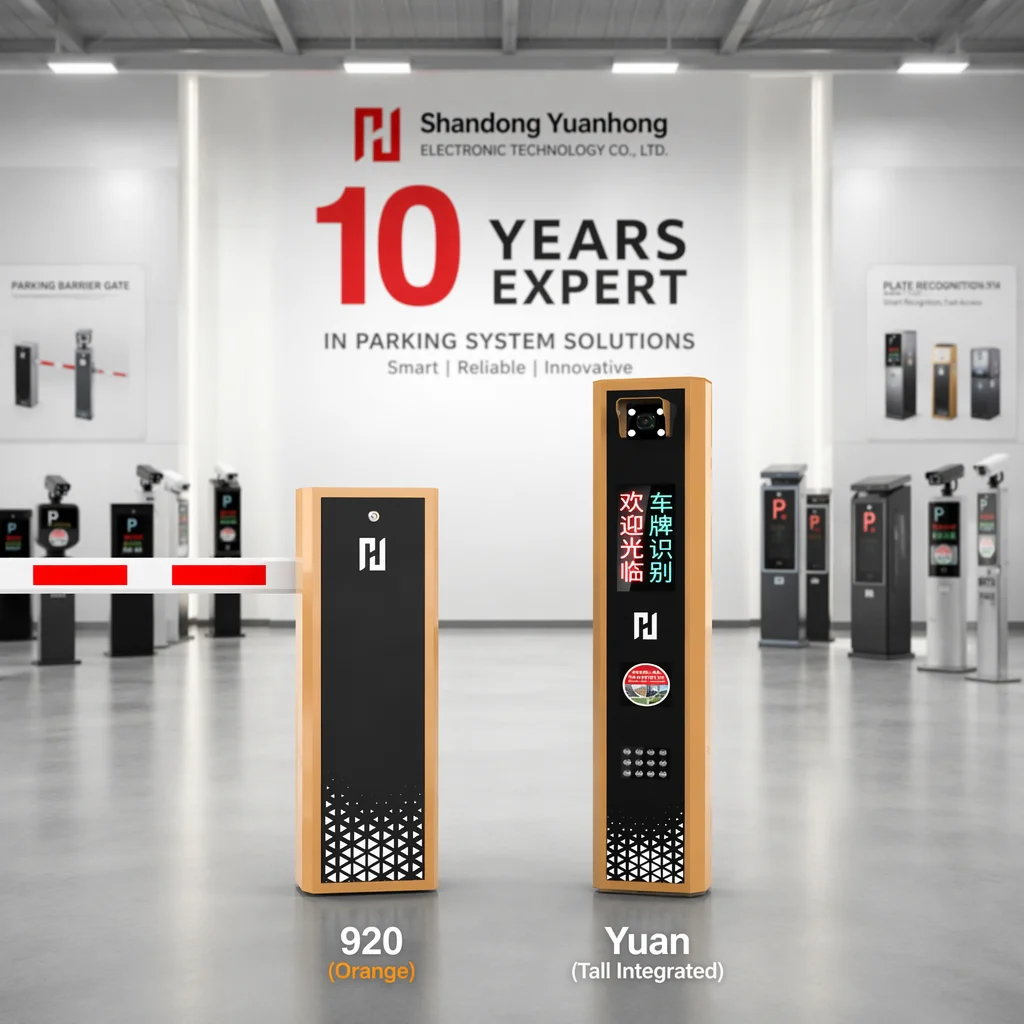
A parking barrier is a physical gate installed at a vehicle entrance or exit to control when cars, vans or other vehicles can pass. In many commercial and residential locations, the term refers to an automatic boom barrier gate: a motorised cabinet that raises and lowers a horizontal arm after an authorised access request. Parking barriers help manage vehicle flow, restrict unauthorised entry and support parking operations.
1. How Does a Parking Barrier Work?
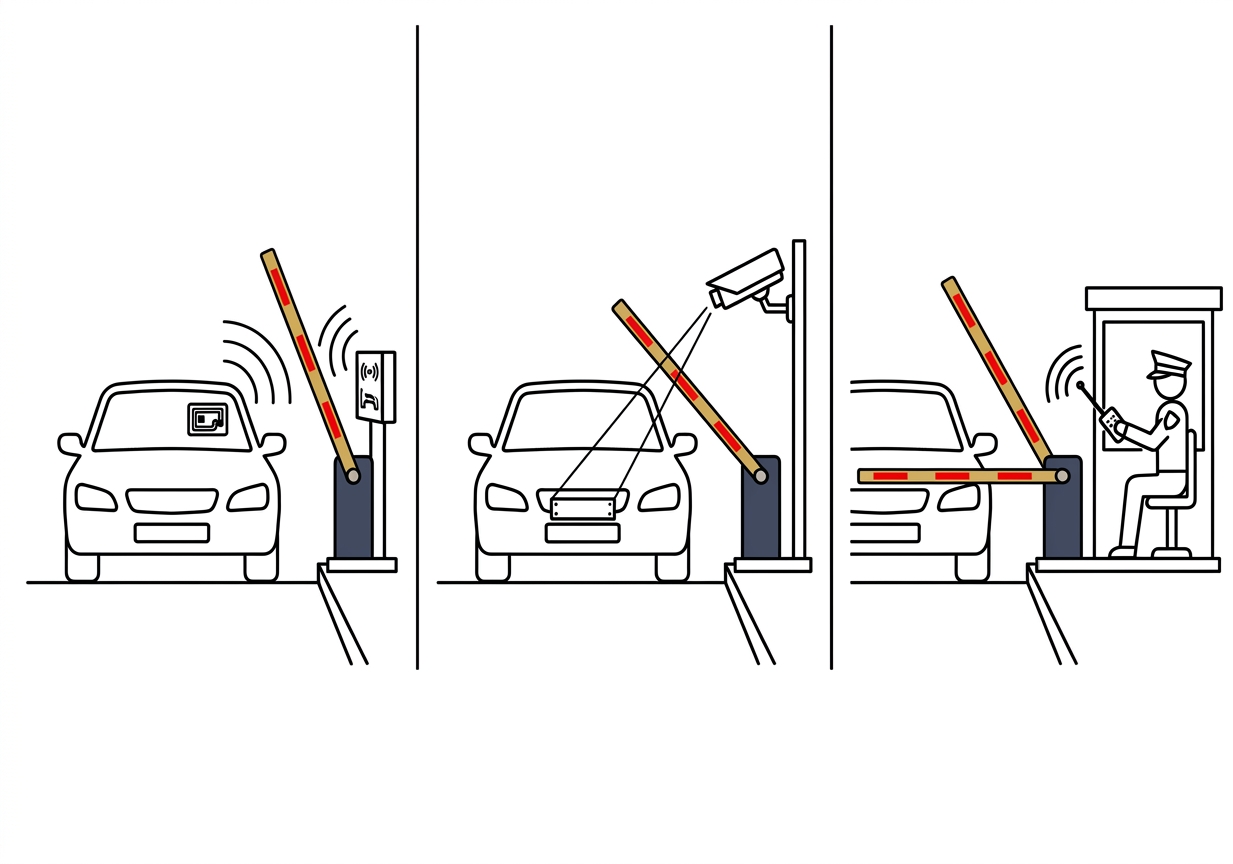
An automatic parking barrier combines a barrier cabinet, boom arm, drive motor, controller and one or more access or safety devices. When a vehicle approaches, the system checks the access request. Depending on the site configuration, the request may come from an RFID card or tag, an authorised number plate recognised by an ANPR/LPR camera, a QR code, a ticketing system, an access card, an intercom or a guard's control station.
After authorisation, the controller activates the motor and raises the arm. A vehicle detector or safety sensor helps determine whether a vehicle is in the lane; once the vehicle has passed and the configured conditions are met, the arm lowers again. Exact opening speed, detection method and control logic depend on the selected model and installation.
A properly designed system should include suitable vehicle detection and safety devices, clear driver signals and a defined response to power loss or equipment faults. A barrier is an access-control device, not a substitute for safe traffic layout, pedestrian segregation or emergency-egress planning.
2. Main Types of Parking Barriers
2.1 Straight-Arm Boom Barrier
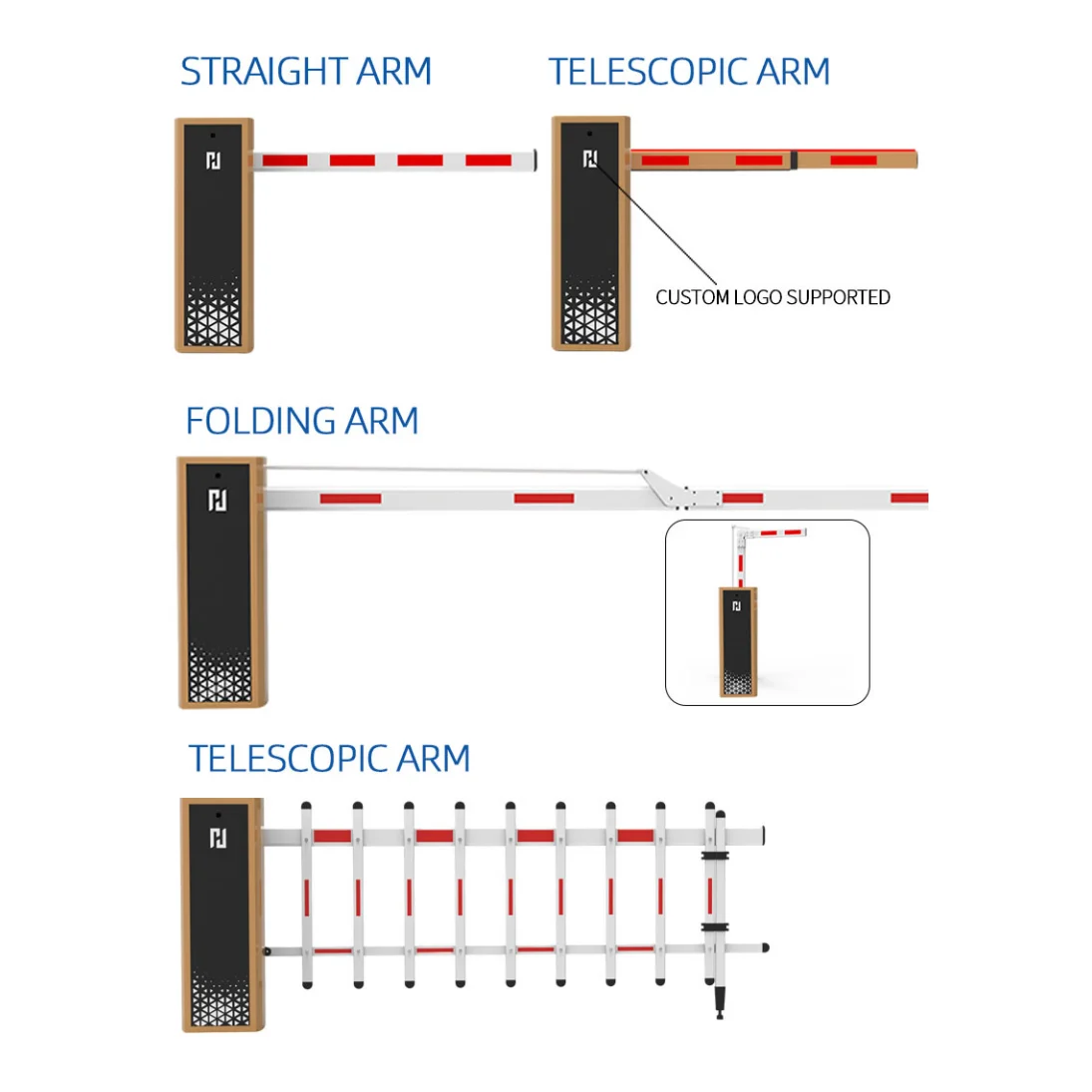
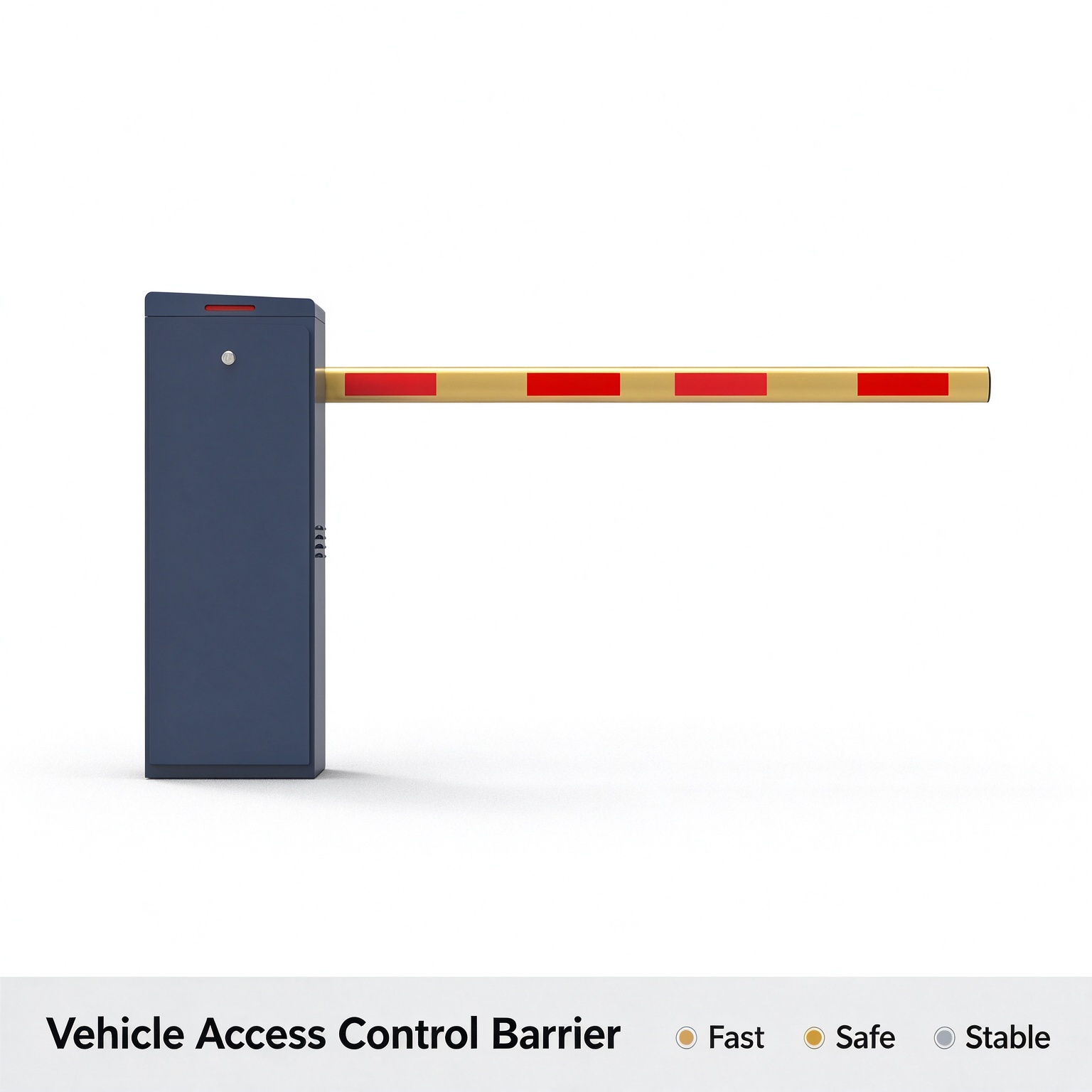
A straight-arm boom barrier uses a single horizontal arm and is a common choice for car park entrances, office buildings, residential compounds, retail centres and controlled vehicle lanes. The arm length should match the clear lane width and site layout. Baroxon's product range includes adjustable straight-arm barrier options, with configuration selected according to lane dimensions and traffic demand.
2.2 Folding-Arm Barrier
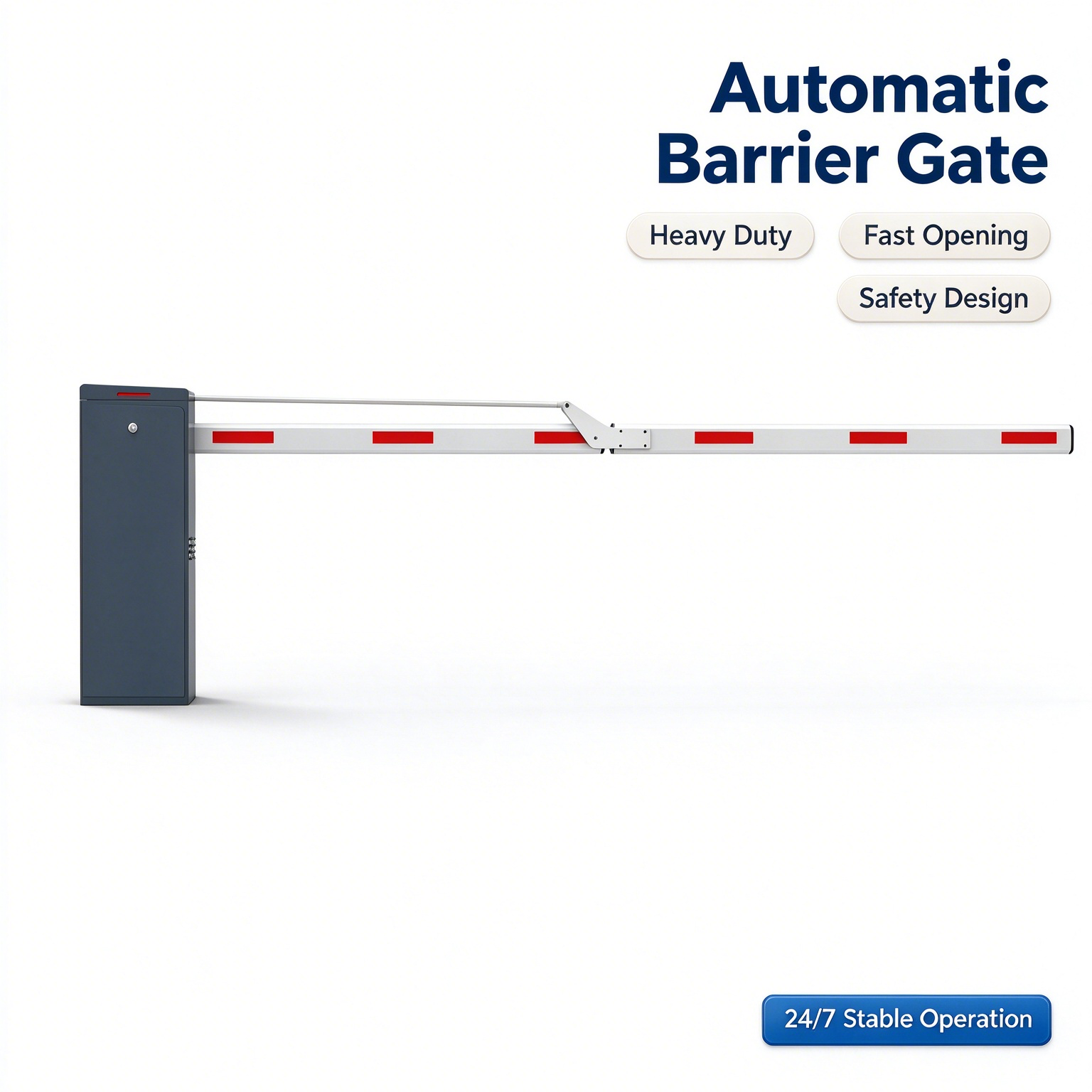
A folding-arm barrier has an articulated arm that folds as it opens. It can be useful where overhead clearance is limited, such as some covered car parks, building entrances or locations with low ceilings. Confirm the available vertical clearance and the folding geometry before specifying the equipment.
2.3 High-Speed Barrier Gate
A high-speed barrier is intended for entrances where vehicles arrive frequently and queues must be managed efficiently. It may be suitable for busy commercial car parks, logistics facilities and other high-throughput sites. The required cycle rate and opening time should be assessed against actual peak-hour traffic, rather than choosing a model on speed alone.
2.4 Heavy-Duty Industrial Barrier
Heavy-duty barriers are designed for demanding vehicle entrances such as factories, warehouses, logistics parks and restricted industrial areas. Selection should account for vehicle type, operating frequency, arm length, wind exposure, safety devices and maintenance access. For truck lanes, the system layout must also account for turning radii and the position of readers or cameras.
2.5 Integrated Parking Barrier and Access-Control System
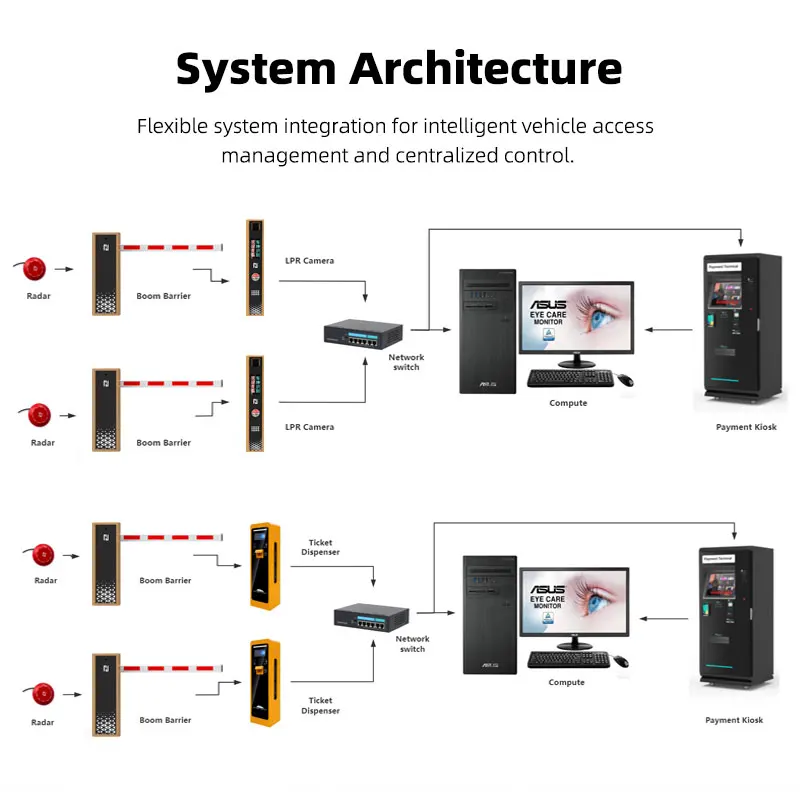
An integrated system links the barrier to an access credential or parking-management platform. Depending on the project, it can combine the barrier with ANPR/LPR cameras, long-range UHF RFID readers, QR or ticket validation, payment equipment, intercom release and management software. Integration requirements should be confirmed with the system supplier before procurement.
3. Where Are Parking Barriers Used in Saudi Arabia?
Residential compounds and apartment buildings
Parking barriers can separate resident and visitor access, help enforce assigned parking rules and reduce unauthorised vehicle entry. ANPR/LPR recognition, RFID credentials or visitor QR access can be selected according to resident volume, visitor procedures and the property's privacy requirements.
Shopping malls, hotels and commercial buildings
Commercial sites often need a balance between security, customer convenience and traffic throughput. A barrier integrated with parking tickets, payment systems or plate recognition can support a more consistent entry and exit process. The design should provide clear instructions for visitors and a manual exception process for unreadable plates or failed credentials.
Offices, government facilities and public car parks
These locations may need controlled access, entry records and different permissions for employees, contractors, visitors and service vehicles. Barrier logic should be coordinated with the site's security policy, emergency procedures and any existing access-control platform.
Factories, warehouses and logistics parks
Industrial entrances may experience frequent cycles and mixed traffic, including cars, delivery vans and heavy goods vehicles. Heavy-duty barrier models, long-range RFID and vehicle logging can help organise fleet entry, but lane geometry, vehicle detection and safe stopping positions must be engineered for the actual vehicles using the site.
Toll lanes and transport facilities
Toll plazas and transport hubs may require longer arms, high throughput and integration with payment or traffic-management systems. Confirm the lane width, arm configuration, operating cycle and local project requirements with the supplier before specifying a barrier.
4. Choosing a Parking Barrier for Saudi Conditions
Saudi projects should assess the actual installation environment rather than assume that every outdoor barrier is suitable for every site. Heat, direct sunlight, dust, wind exposure, coastal air, wash-down practices and the availability of maintenance staff can all affect long-term performance.
Before choosing a model, review the following points:
- Lane width and arm type: Measure the clear opening and decide whether a straight, folding or other suitable arm arrangement is needed.
- Traffic volume: Estimate normal and peak-hour vehicle movements, including the expected daily operating cycles.
- Operating speed: Match opening and closing times to queue conditions and safe vehicle movement.
- Motor and duty rating: Confirm that the drive system is suitable for the required operating frequency.
- Environmental protection: Check the product's stated IP rating, permitted operating-temperature range and any limitations relating to dust, water or coastal exposure.
- Access method: Choose ANPR/LPR, RFID, QR, ticket, card, intercom or guard-operated release based on the site's workflow.
- Safety and emergency operation: Specify suitable vehicle detectors, anti-crush protection, manual release and an emergency-access plan.
- Maintenance and support: Confirm commissioning, operator training, spare parts and technical support arrangements.
Do not select a barrier on arm length or advertised speed alone. A suitable system is the one that matches the lane, traffic pattern, access-control platform, environmental conditions and safety requirements of the specific site.
5. Why Integrate a Barrier with ANPR/LPR or RFID?
An automatic barrier can operate with a push button or guard control, but integrating access credentials can reduce repetitive manual actions and create a more consistent record of vehicle movements. ANPR/LPR cameras read number plates and compare them with the rules configured in the parking or access-control software. RFID systems identify authorised tags, which can be useful for resident vehicles or registered fleets.
The right choice depends on local lighting, plate-reading conditions, vehicle speed, tag placement, visitor handling, software compatibility and data governance. Recognition should not be treated as infallible: provide a process for manual review, temporary access and system outages.
6. Installation and Maintenance Basics
Before installation, confirm the foundation and mounting position, power supply, cable routing, drainage, lane markings, visibility for drivers and the location of safety detectors. The installer should verify the arm's movement envelope and ensure that it does not conflict with signs, ceilings, adjacent lanes or pedestrian routes.
Maintenance should follow the manufacturer's instructions and the site's operating conditions. Routine checks may include the arm and fasteners, cabinet condition, balancing mechanism, sensors, loop detector, control board, warning lights and manual-release function. Isolate power and follow safe maintenance procedures before working on moving or electrical components.
For hot, dusty or coastal locations, set an inspection schedule appropriate to the environment and traffic volume. Keep a record of faults, service visits and replaced parts; this helps identify recurring issues and plan preventive maintenance.
7. Common Parking Barrier Problems
- The arm does not open: Check the access credential, controller status, power supply and configured interlocks.
- The arm closes too early or will not close: Inspect vehicle detection, safety sensors and the control settings.
- The barrier operates slowly: Review the selected operating mode, traffic demand and the manufacturer's fault indicators; do not adjust mechanical components without the correct procedure.
- ANPR/LPR fails to recognise a plate: Review camera angle, lighting, plate visibility, vehicle stopping position and software configuration.
- Repeated faults in outdoor installations: Check whether the environment is within the product's specified limits and whether inspection and maintenance are adequate.
8. Frequently Asked Questions
What is the difference between a parking barrier and a boom barrier?
"Parking barrier" is a broad term for equipment that controls parking access. "Boom barrier" usually refers to a gate with a horizontal arm that rises and lowers across a vehicle lane. In everyday commercial use, the terms are often used interchangeably when referring to automatic vehicle barriers.
Can a parking barrier work automatically?
Yes. When connected to an appropriate access-control system, the barrier can open after a valid plate, RFID tag, card, QR code or ticket is verified. Sensors and configured control logic then manage safe closing. The exact functions depend on the equipment and integration.
Are parking barriers suitable for outdoor use in Saudi Arabia?
Some models are designed for outdoor installation, but suitability depends on the specified temperature range, IP protection, dust and water exposure, wind conditions and maintenance plan. Check the exact model's technical documentation before installation.
Should I choose ANPR/LPR or RFID?
ANPR/LPR can identify a vehicle by its number plate and may suit ticketless parking or visitor workflows. RFID can provide convenient identification for vehicles carrying authorised tags, such as residents or registered fleets. The choice should reflect the site's access rules, recognition conditions, software and privacy requirements.
What information should I provide when requesting a quotation?
Provide the clear lane width, vehicle types, estimated traffic volume, preferred access method, installation environment, power availability, required opening speed and any existing parking or security software. Photos or a simple site layout can help the supplier recommend a suitable configuration.
Conclusion
A parking barrier is a practical part of vehicle access control for residential compounds, commercial car parks, offices, logistics sites and public facilities. The best solution combines the correct arm type and duty rating with suitable vehicle detection, access credentials, safety measures and maintenance support. For projects in Saudi Arabia, assess heat, dust, lane geometry and peak-hour traffic as part of the specification, then confirm model-specific performance with the supplier.
For product options and project configuration, visit the Baroxon Saudi website and review the Boom Barrier & Boom Gate range.
Latest News
Underground Car Park Barrier Guide, Saudi Arabia
Choose an underground car park barrier in Saudi Arabia: clearance, folding-arm geometry, traffic duty, safety sensors, access control and maintenance.
2026-10-28
Straight Arm vs. Folding Arm Boom Barrier: Which Is Better?
Straight arm or folding arm boom barrier? Compare overhead clearance, lane width, traffic volume and Saudi site conditions before you specify a barrier arm.
2026-10-28
Questions to Ask a Parking Barrier Supplier
Thirteen questions to ask a parking barrier supplier in Saudi Arabia: model specs, safety devices, ANPR/RFID integration, climate rating, warranty and total cost.
2026-10-28
RFID vs ANPR Parking Systems for Saudi Sites
Compare RFID and ANPR parking systems for Saudi Arabia: how tags and number plate recognition work, cost, security, traffic flow and when to combine both.
2026-10-28
Parking Barrier Project Planning in Saudi Arabia
Plan a parking barrier project in Saudi Arabia, from site survey and lane design to barrier selection, ANPR/RFID integration, safety testing and handover.
2026-10-28
How to Compare Parking Barrier Manufacturers and Suppliers
Compare parking barrier manufacturers and suppliers on specifications, safety, Saudi climate suitability, integration, warranty, spare parts and total cost.
2026-10-28
Baroxon® | Leading Boom Barrier Manufacturer
Advanced Security Access Control and Intelligent Parking Solutions.
Company Strength
Adequate Inventory
Fast Shipping
Our Products
CONTACT US
Address: No. 2 Wanshou Road, International Innovation Industrial Park, Jinan, Shandong, China






© COPYRIGHT 2025 Baroxon® | Leading Boom Barrier Manufacturer

Contact Us
Our passion is to bring your ideas to life. Work with our design team to create a one-of-a-kind custom finish or cladding system to create a truly unique space. Together we can make your story stand out. If you need something to request a sample, request pricing, or request a demo, please fill out the contact form below. Explain your request in as much detail as you can and a representative will contact you within 1 business day.